
A szerencsejáték pszichológiája Mik a legfontosabb tényezők
June 24, 2026Sensible Health insurance within the Arkansas
June 24, 2026Best Plastic and Paper Carton Carrying Handles for Easy Transport
A carton carrying handle is a built-in or attached feature that allows a box to be lifted and transported by hand. It typically functions as a reinforced cutout, a plastic or paper strap, or a foldable flap that distributes weight across the fingers or palm. This mechanism reduces strain on the carton’s side walls and makes carrying heavier loads more stable and comfortable. To use it, simply grasp the handle and lift the carton evenly to ensure the weight is balanced.
Ergonomic Benefits of Integrated Tote Solutions
Integrated tote solutions eliminate the awkward, pressure-inducing grip of a flimsy carton handle, distributing weight evenly across a rigid, molded structure. This direct integration prevents the handle from digging into fingers, reducing localized pain and fatigue during repeated lifts. By keeping the load stable and centered, the natural wrist and arm alignment is maintained, slashing the risk of strain. Why are integrated handles superior? Because they remove the instability and concentrated stress of a separate carton cut-out, converting an unbalanced carry into a balanced, fluid motion that protects your hands and posture.
Reducing Strain During Heavy Lifting
Integrated tote solutions reduce strain during heavy lifting by distributing the load through a rigid carton carrying handle that aligns with the hand’s natural grip. This design minimizes localized pressure on the palm and fingers, preventing muscle fatigue and reducing the risk of acute injury. By lowering the required grip force, the handle allows lifters to engage larger shoulder and back muscles, optimizing biomechanical efficiency. Improved weight distribution directly decreases the compressive load on the lumbar spine, enabling safer repetitive handling without compromising stability.
Reducing strain during heavy lifting relies on a handle that realigns the center of mass with the body, thereby lowering joint torque and muscular exertion for sustained tasks.
How Curved Die-Cuts Improve Grip Comfort
A curved die-cut on your carton carrying handle makes a huge difference in how the box feels in your hand. Instead of harsh corners digging into your palm, the smooth, rounded contour follows the natural shape of your fingers, distributing pressure more evenly. This design prevents awkward pinch points and reduces fatigue, even when carrying heavier loads. It’s a simple but effective way to transform a flat piece of cardboard into a significantly more comfortable grip surface.
- The gentle curve eliminates sharp edges that create uncomfortable pressure points.
- It allows your hand to wrap around the handle naturally, reducing strain on one specific area.
- The design prevents the handle from sliding or twisting, offering a more stable hold.
Load Distribution and Wrist Safety
Integrated tote solutions incorporate optimized load distribution to reduce acute wrist strain during carton transport. By channeling weight across the palm and larger hand surfaces, these handles eliminate pinch-grip tension that forces wrist deviation. This design minimizes shear forces on the carpal tunnel, preventing repetitive torque injuries. A balanced load lowers the muscle exertion required for stabilization, directly protecting the wrist joint from sudden overextension. Q: How does one handle reduce wrist injury risk? A: By spreading the carton’s gravity load evenly, it prevents the wrist from having to compensate for an unbalanced side pull or unstable grip.
Materials and Durability for Handles
Polypropylene and recycled paperboard are the primary materials for carton carrying handles. Polypropylene handles offer high tensile strength and resistance to moisture, ensuring durability for heavy loads. Paperboard handles, often laminated, provide adequate strength for standard grocery cartons but degrade if wet. A handle’s longevity is directly tied to its attachment method, with handle for box heat-sealed polypropylene outlasting glued paperboard under repeated stress. For optimal performance, a handle must withstand the carton’s filled weight without tearing or detaching from its anchor points.
Reinforced Paperboard vs. Plastic Inserts
Reinforced paperboard inserts offer a biodegradable solution, relying on lamination or corrugation to achieve sufficient tensile strength for moderate loads, though they can weaken if exposed to moisture. Plastic inserts, typically polypropylene or PET, provide consistent rigidity and superior resistance to tearing or humidity, making them better for heavy or refrigerated items. The choice hinges on weight capacity and environmental conditions: paperboard handles suit lightweight, dry packaging, while plastic excels in durability for heavier contents.
Reinforced paperboard inserts are eco-friendly and adequate for light, dry use; plastic inserts deliver higher load capacity and moisture resistance, creating a clear trade-off between sustainability and rugged durability.
Moisture Resistance and Tear Strength
For carton carrying handles, moisture resistance and tear strength directly determine whether the handle survives a trip from a cold beverage aisle to a car trunk. A handle lacking moisture resistance will absorb humidity, swelling and weakening its fibers until it snaps under load. Conversely, high tear strength—achieved through reinforced lamination or dense polymer coatings—ensures the cutout or attachment points resist ripping when wet cardboard flexes. Without this dual defense, a seemingly sturdy handle can fail silently, dumping the carton’s contents.
- Choose handles with waterproof adhesives to prevent delamination when exposed to condensation or rain.
- Look for tear-resistant materials like cross-laminated polypropylene that stop rip propagation from the handle slot.
- Verify the handle’s burst strength in moist conditions, as wet surfaces reduce friction and magnify stress on tear points.
Choosing the Right Fibers for Long Hauls
For long hauls, you absolutely need fibers that won’t snap or stretch under sustained weight. Look for handles woven from high-tenacity polypropylene or thick, braided nylon, as these materials resist fatigue over miles of transport. Avoid cheap, thin polyethylene strapping—it weakens during prolonged tension. Choosing the right fibers for long hauls means prioritizing tensile strength and a tight weave to prevent the handle from cutting into your hands.
- Opt for braided or corded fibers, not flat ribbons, to reduce edge strain.
- Check that the fiber is UV-stabilized to prevent brittleness under sunlight during a trip.
- Ensure the handle has at least a 200-lbs breaking strength rating for heavy loads.
Design Variations for Different Package Types
For multipacks, a die-cut handle integrates directly into the carton’s top panel, distributing weight across the lid’s folds to prevent tearing. A folded “suitcase” handle, however, requires a rigid gable-top or tuck-end carton, creating a deep slot for a secure grip. Conversely, beverage carriers use a punched strap handle, which relies on reinforced paperboard around a central cut-out to balance a six-pack’s load. Q: How does a dispenser box differ? A: It shunts the handle to a perforated side panel, allowing easy pod access without compromising the carton’s stacking strength. Each variation demands specific carton dimensions and material caliper to ensure the handle’s function matches the package’s structural role.
Cut-Outs for Small Retail Boxes
For small retail boxes, precision die-cut handles maximize portability without compromising structural integrity. Cut-outs are integrated directly into the carton’s side panels or top flap, allowing fingers to hook securely for carrying. This eliminates added materials, reducing cost and weight. Designing the cut-out as a tapered slot or raindrop shape prevents tearing and accommodates gloved hands. The cut-out’s placement must avoid box content interference and maintain stacking strength.
- Position cut-outs above content height to avoid product contact.
- Use rounded corners on the cut-out to prevent paper cuts and tearing.
- Ensure the cut-out length exceeds finger width for comfortable grip.
- Add a perforated dust flap that pushes inward to seal the opening when not in use.
Flat-Ribbon Styles for Heavy-Duty Shipping
Flat-ribbon styles for heavy-duty shipping offer superior load distribution across dense, oversized cartons by utilizing a wider, single-ply strap that resists cutting into corrugated edges. This design eliminates the need for metal fasteners, reducing snagging risks during transit. The handle’s flat profile remains flush against the box surface, preventing tearing under extreme weight.
- Distributes tension over a larger surface area to prevent corrugation collapse
- Integrates reinforced stitching at stress points for repeated lifting up to 50 lbs
- Provides a low-profile fit that avoids protrusions during pallet stacking
Folding and Locking Handle Mechanisms
For cartons requiring a clean, integrated grip, folding and locking handle mechanisms are precision-engineered to collapse flat during transit and pop up for use. A die-cut tab on the top panel folds upward, with its locking tongue engaging a corresponding slit for a secure, load-bearing hold. The mechanism relies on tight tolerances; a loose fit causes handle collapse, while a tight one strains the board. Users must press firmly to lock the tab into its receiver, creating a solid bridge that distributes weight across the carton’s top edge. This design eliminates loose parts and keeps the package sleek.
Folding and locking handle mechanisms offer a stowable, self-securing grip that turns a flat carton into a carry-ready tool.
Manufacturing and Production Techniques
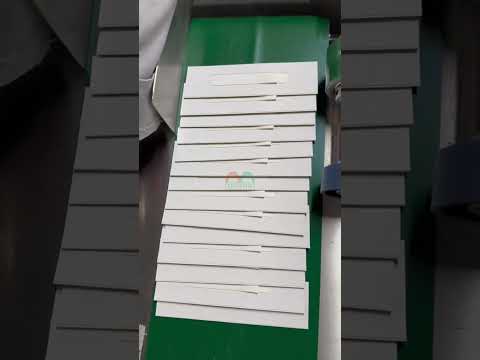
Carton carrying handles are manufactured using either rotary or flatbed die-cutting, which precisely cuts handle shapes from rigid paperboard or corrugated fiberboard. A crucial technique is the integrated folding and gluing process, where a single sheet is scored, folded, and laminated to create a reinforced, load-bearing loop without separate components. Alternatively, extrusion-based production applies a molten plastic strip directly onto the carton surface, forming a sturdy, heat-sealed handle. Q: What production technique ensures maximum handle strength without add-ons? A: Integrated folding and gluing, which uses the carton’s own material for structural reinforcement. For high-speed runs, automated machines apply self-adhesive fabric or polypropylene handles, bonding them under precise pressure and temperature for reliable attachment.
Die-Cutting Precision and Alignment
The integrity of a carton carrying handle hinges on die-cutting accuracy. A blade misaligned by even a fraction of a millimeter can produce a handle that rips or fails to fold. Achieving this precision involves a strict sequence:
- Magnetic cylinders or laser-cut dies lock the knife pattern to within ±0.1mm of the print register.
- Servo-driven press feeds adjust in real-time to compensate for material stretch.
- Stripping pins cleanly eject waste without distorting the handle aperture.
This meticulous alignment ensures that each handle blank interlocks perfectly, transferring the carton’s weight directly to the reinforced panel, not the paperboard seam.
Crease Line Optimization for Easy Assembly
For your carton carrying handle, smart crease line optimization is all about making assembly a breeze instead of a battle. By precisely scoring the paperboard along the handle’s fold paths, you create a natural hinge that springs into shape with minimal effort. This tweak ensures the handle slots pop up cleanly without fighting the material, so you can lock the carrying panel into position in seconds. It’s a small adjustment in the die-cutting stage that saves you major frustration, turning a fiddly cardboard puzzle into a smooth, snap-together experience.
Automated Application in Packaging Lines

Automated application in packaging lines integrates robotic pick-and-place systems and servo-driven applicators to precisely affix carton carrying handles at high speed. These systems use vision-guided alignment to ensure handle placement on varied carton geometries without stopping the conveyor. Servo-driven handle insertion eliminates manual errors by synchronizing adhesive dispensing with handle pressure for consistent bond strength. A single line can automatically switch between handle types and carton sizes via programmable recipe changes, reducing downtime during product runs. Real-time sensors verify handle integrity and reject misapplied units before sealing.
Automated application in packaging lines handles up to 120 cartons per minute with micron-level placement accuracy, using PLC-controlled sequences for glue pattern adjustments and handle orientation swaps.
User Experience and Accessibility
A well-designed carton carrying handle dramatically improves user experience by making heavy or bulky packages manageable with one hand. The handle’s placement and cut-out shape directly affect accessibility, as a too-narrow or sharp-edged slot can cause pain or prevent a comfortable grip for users with arthritis or limited hand strength. Wider, padded, or rounded handles reduce strain during transport from car to kitchen.
The most inclusive design accommodates different grip styles, including fingers, a full palm, or even a forearm hook for those with dexterity challenges.
Ensuring the handle doesn’t cut into the skin at the weight limit is key to a pain-free, accessible carry.
One-Handed Carry Options for Convenience
Integrating one-handed carry options for convenience transforms a standard carton into a mobile asset, allowing users to multitask without sacrificing control. Specifically designed ergonomic cutouts or attached straps enable a secure single-hand grip, distributing the load evenly across the palm to reduce fatigue. This design prioritizes user efficiency, allowing a person to hold a coffee, unlock a door, or answer a phone while effortlessly carrying the package. By eliminating the need for a second hand, these handles enhance daily usability, making the carton feel intuitive and responsive to the demands of a busy lifestyle.
Texture and Surface Grip for Slippery Conditions
In wet or icy hands, a smooth handle becomes a hazard. That’s why a non-slip handle surface is critical for safe carton carrying. Embossed textures, like raised dots or crosshatch patterns, create friction against damp skin or gloves. Rubberized or silicone overmolding offers superior grip even when the handle is wet, preventing the carton from sliding through your fingers. A matte finish outperforms glossy coatings, which become dangerously slick when moisture is present.
- Embossed patterns like diamonds or ridges channel away water to maintain contact
- Soft-touch rubber coatings absorb moisture instead of letting it pool
- Textured side grips prevent the hand from sliding along the handle length

Accessibility Features for Limited Dexterity
For users with limited dexterity, carton carrying handles should prioritize ease of grip. A wider, ergonomic handle design reduces strain, while a soft, textured surface prevents slipping. The handle must also be easy to hook even with a single finger or a partial palm.
Q: How can a handle help if I can’t fully close my hand?
A: Look for handles with a large, open loop or a curved slot—they let you simply slip your wrist or a few fingers through without needing a strong grasp.
Environmental Impact and Sustainability
The environmental impact of a carton carrying handle hinges on material choice and end-of-life. A plastic handle fused to a paperboard carton creates a composite that is rarely recyclable, forcing the entire package into landfill. For true sustainability, opt for a handle made from the same fiber as the carton—like a punched-out paperboard loop or a glued-on paper strap. This allows the whole unit to enter standard paper recycling streams. *Q: How does handle design reduce waste? A: A paper-based, detachable handle ensures the carton remains a mono-material, simplifying recycling and preventing contamination.* Always verify your local facility accepts paper handles, as wet-strength adhesives can still cause rejection.
Biodegradable and Compostable Handle Materials
Switching to biodegradable and compostable handle materials directly reduces persistent plastic waste from carton carriers. These handles, often derived from plant starches or cellulose fibers, break down fully in industrial composting facilities within months, leaving no toxic residue. Unlike petroleum-based alternatives, they return carbon to the soil instead of lingering in landfills. For users, this means a drop-in replacement that performs identically in strength and grip while enabling genuine end-of-life disposal. The material feels natural and aligns with the recyclable carton body, creating a unified sustainable package.
Biodegradable and compostable handles decompose completely under proper conditions, eliminating long-term environmental burden without sacrificing functional performance.
Reducing Waste Through Minimalist Designs
Minimalist carton carrying handles reduce waste by using less raw material during production. Designers achieve this through slim profiles or cut-out shapes integrated directly into the cardboard, eliminating separate plastic or glued-on components. A clear sequence for applying this principle includes:
- Analyzing the carton’s structural stress points to determine handle placement.
- Cutting precise, ergonomic apertures that support weight without added reinforcement.
- Testing the integrated handle design to ensure it reliably carries the product’s load.
This approach directly decreases packaging volume and material consumption at the source.
Recyclability of Combined Fiber and Fastener Systems
The recyclability of a carton carrying handle hinges on its combined fiber and fastener system. When the handle is formed from a single material, like all-paper or all-polyester twine, the entire assembly can often be processed with standard cardboard recycling, as the fastener dissolves or is filtered out. Conversely, a metal staple or a plastic rivet bonded to the paper fiber creates a contaminant that must be manually removed, adding friction to the recycling stream. Modern designs increasingly use dissolvable adhesive fasteners that separate cleanly in the repulping stage, allowing the high-value fiber to be reclaimed without mechanical sorting. This seamless material integration directly determines whether the handle becomes a resource or a residue.
Industry-Specific Applications
In the beverage industry, carton carrying handles are specific industry-specific applications for multipack cans and bottles, designed with reinforced cutouts or attached plastic rings to safely distribute the weight of glass or liquid. The food sector uses them on bulk cereal or snack boxes, where handles are integrated into the carton’s side panels for easy retrieval from deep shelves. Logistics warehouses rely on heavy-duty handles for shipping cartons containing industrial parts, allowing workers to grip and transport loads without damaging the box’s structure. E-commerce fulfillment centers apply adhesive or die-cut handles to shallow cartons for single-item shipments, enabling one-handed lifting during packing and delivery.
E-Commerce Shipping Solutions with Easy Relocation
For e-commerce shipping solutions, the carton carrying handle enables streamlined order relocation by integrating a grip directly into the box design, eliminating the need for separate tape handles or outer bags. This reduces pick-and-pack cycle time because the worker can grasp and move the carton without adjusting their grip. During last-mile delivery, the handle allows couriers to carry multiple orders simultaneously by hooking handles over each arm, thus speeding up sortation and minimizing handling errors. When a customer relocates an item from the doorstep indoors, the handle provides stable weight distribution, reducing drop risk and potential return requests.
| Pack Station Relocation | Customer Relocation After Delivery |
|---|---|
| Worker moves carton via handle without bending or regripping; reduces sorting time by 2–3 seconds per unit. | Shopper carries box to storage or recycling bin using handle; reduces need for secondary bagging. |
| Handle alignment on side panel prevents carton rotation during stacked relocation on carts. | Handle placement on top panel promotes balanced carrying of heavy or irregular e-commerce items. |
Grocery and Retail Carrier Efficiency
In grocery and retail applications, a carton carry handle design directly dictates carrier efficiency by minimizing handling time per unit. An integrated handle eliminates the need for secondary packaging like bags, allowing cashiers to lift and hand over six-packs or bulk bundles in a single motion. This reduces checkout bottlenecks and speeds up bagging lines. A handle that balances weight distribution prevents carton tearing under load, cutting waste from damaged stock. For retail replenishment, handles that fold flat improve pallet density, ensuring more product fits per shipment without increasing cube loss. Every ergonomic feature must support these throughput or space metrics.
Food Service and Takeaway Container Lifting
In food service and takeaway applications, carton carrying handles are engineered for rapid, secure lifting of stacked containers during high-volume packaging. These handles integrate with specific food-grade carton perforation patterns to enable one-handed extraction of bulk takeaway boxes. A typical sequence includes:
- Aligning the handle’s locking tabs with pre-cut carton slots
- Applying downward pressure to seat the handle flush against the container lid
- Lifting vertically to distribute weight across the carton’s reinforced seam
Correct handle placement prevents lid detachment during transport of hot or oily items. Handles must withstand moisture from condensation without weakening the grip point.
Testing and Quality Assurance
Testing a carton carrying handle ensures it withstands real-world abuse without snapping. We simulate repeated lifting, swinging, and sudden drops using weighted cartons to measure tensile strength and fatigue limits. Does each handle rip after 50 lifts or 500? Quality assurance checks material thickness and adhesive bond integrity through destructive sampling every production batch, rejecting any unit that shows micro-tears or flex cracks under 15kg load. This rigorous cycle guarantees the handle doesn’t fail during a grocery carry.
Weight Capacity and Stress Testing Protocols
Weight capacity and stress testing protocols check how much your carton’s handle can really haul without snapping. We load handles with progressively heavier weights, often using sandbags or calibrated weights, to find their maximum safe load limit. A key part is the static stress test, where the fully loaded carton hangs for several minutes to mimic real-world carrying. We also run dynamic tests, jerking the handle to simulate a sudden snag or drop. This ensures the handle won’t fail under normal or slightly abusive use, giving you confidence when you grab that heavy box.
Simulated Transport Vibration and Drop Tests
Simulated Transport Vibration and Drop Tests validate that the carton carrying handle structural integrity withstands real-world logistics. Vibration tests expose resonant frequencies causing handle fatigue or detachment, using random or sine profiles replicating truck or air travel. Drop tests, from heights of 12–48 inches onto corners and faces, assess impact resistance of the handle-to-carton junction. A critical nuance is that handle failure often initiates at the die-cut slot edges rather than the handle body itself under dynamic loads. Q: How do simulated transport tests differ for full versus empty cartons? A: Full cartons stress the handle’s tensile strength during vibration, while empty ones reveal buckling risks from inertial handle movement during drops.
Consumer Feedback Integration for Handle Shape
Consumer feedback directly shapes handle ergonomics, with grip comfort and hand strain being primary concerns. Users report that ergonomic handle shaping reduces fatigue during transport, prompting designers to adjust contour curves and edge radii based on real-world pain points. Focus groups testing prototypes reveal preferred finger groove placement and width adaptations for varied hand sizes. This iterative loop refines the handle’s cross-section, ensuring the final design minimizes pressure points. Every modification stems from recorded user experiences, translating subjective discomfort into measurable adjustments that improve daily handling efficiency.
Innovations in Handle Technology
Recent innovations in carton carrying handle technology focus on ergonomic comfort and structural integrity. One major advance is the integrated die-cut handle, which uses precision scoring to create a smooth, contoured grip directly from the corrugated board, eliminating the need for plastic or tape reinforcements. This design reduces pressure points on fingers, making heavy loads easier to manage. Some handles now incorporate a built-in locking tab that prevents the cutout from closing shut, maintaining a stable opening throughout transit. Additionally, new multi-layer laminations and reinforced flap configurations allow handles to support higher weight capacities without tearing, even when the carton is damp. These updates ensure a reliable, comfortable lift for consumers.
Magnetic and Snap-Lock Closure Systems
Magnetic and snap-lock closure systems revolutionize carton handles by eliminating messy adhesives and flimsy flaps. A magnetic closure uses embedded rare-earth magnets that click together automatically when the handle flaps are pressed closed, offering a satisfying, secure seal that resists accidental opening during transit. Snap-lock systems forgo magnets, using precisely molded plastic tabs that audibly snap into corresponding slots, creating a permanent, toolless bond that withstands heavy weights. Both systems allow for rapid, finger-friendly assembly without tearing the carton board, drastically improving packing ergonomics and ensuring the handle remains firmly attached under load until deliberately opened.
| Feature | Magnetic Closure | Snap-Lock Closure |
|---|---|---|
| Reusability | Easily openable and resealable multiple times | Permanent one-time lock; destructive to open |
| Tactile Feedback | Silent magnetic pull | Audible snap and firm click |
| Target Use | Premium retail or gifting packaging | High-volume shipping and heavy loads |
Integrated Hand Straps for Multi-Pack Carrying
Integrated hand straps link multiple cartons into one easy-to-carry bundle. Instead of fumbling with separate boxes, these straps form a single, balanced load that feels lighter. They are often die-cut from the carton board itself or added as a slim, flexible loop. This design spreads the weight across your hand, reducing pressure points. For anyone moving bulk drinks or groceries, multi-pack carrying comfort is instantly improved. The straps also let you grab a second stack without pinching fingers. A simple, clever fix for heavy hauls.
Integrated hand straps turn separate cartons into a single, balanced load—cutting fumbling and spreading weight for easier, more comfortable carrying.
RFID-Enabled Trackable Lifting Ports
RFID-embedded lifting ports transform standard carton handles into intelligent assets. Each port contains a passive tag that updates logistics data when scanned during lifting. This allows workers to instantly verify carton contents and handling requirements without separate labeling. The integrated RFID chip withstands repetitive load stress, ensuring tracking remains continuous from warehouse to delivery. Unlike barcode systems, these ports require no line-of-sight scanning, shaving seconds off each lift cycle while eliminating manual entry errors. By embedding the RFID directly into the handle structure, the tracking component becomes integral to the carton’s strength, reducing damage risks during transit.
RFID-Enabled Trackable Lifting Ports merge lifting functionality with real-time asset tracking, enabling hands-free data capture during every carton move.
Cost Optimization and Budget Considerations
Cost optimization for a carton carrying handle begins with material choice, as switching from solid plastic to a die-cut paperboard handle can significantly reduce per-unit expense without sacrificing strength. Bulk purchasing of standard-sized handles lowers the price point further, but sourcing handles that integrate directly with the carton’s existing flap structure eliminates the need for separate adhesives or rivets, saving on assembly labor. For small runs, balancing handle gauge against expected load weight prevents overspending on heavy-duty features that users won’t need. A thinner handle might cut costs slightly, but failing under normal use will cost more in returns and brand trust than the initial savings were worth. Ultimately, prototyping with simple paperboard vs. reinforced plastic reveals the cheapest viable option for your specific carton dimensions.
Material Savings from Die-Cut Patterns
Using die-cut patterns for handles slashes material waste because the handle is shaped directly from the carton’s existing cardboard. You avoid adding plastic or tape, which cuts costs and keeps recycling simple. A clever nested layout of handles across the sheet lets you squeeze more handles from each flat blank, reducing scrap. This means you buy less material per unit while keeping the carton strong for carrying. Less waste also lowers shipping weight, saving money on freight.
Die-cut patterns save material by carving handles from the carton itself, trimming both waste and costs.
Bulk Procurement Strategies for Custom Shapes
For custom-shaped carton handles with complex die-lines, bulk procurement hinges on aggregating demand across multiple SKUs to amortize unique tooling costs. Commit to a single, optimized mold for your handle profile, then coordinate production runs of identical non-standard geometries to reduce per-unit material waste. Negotiate volume discounts based on total polymer weight rather than handle count, since custom shapes consume more raw material. Stagger deliveries from a single production batch to avoid storage fees while locking in the lower unit price.
Bulk procurement for custom shapes reduces per-unit costs by consolidating tooling amortization and optimizing material yield through demand aggregation.

Balancing Durability with Minimal Material Use
Balancing durability with minimal material use in a carton carrying handle requires careful material optimization through strategic design. Engineers often use finite element analysis to identify stress points, allowing for reinforcement only where needed while thinning less critical areas. A handle cut from a single, continuous cardboard sheet eliminates waste from separate components. Adjusting the handle’s width and fold geometry can distribute load without increasing fiber weight. Testing prototypes for tear resistance at the lowest viable paper grammage ensures the handle holds typical purchase weights without failing, directly reducing per-unit costs. This approach avoids over-engineering while preventing breakage returns.
Minimize material by reinforcing only high-stress zones, using single-sheet designs, and testing to the lowest grammage that reliably supports the intended load.
